

Best Vitamins for Skin: Your Complete Guide to Healthy, Glowing Skin
When it comes to achieving healthy, radiant skin, skincare products alone are not enough. What you put inside your body is just as important as what you apply externally. Vitamins play a key role in keeping your skin youthful, clear, and glowing. At venzec-icu, we believe that nourishing your skin from within is the secret to long-lasting beauty. By adding the right vitamins to your diet, you can improve skin tone, reduce signs of aging, and protect your skin from damage.
In this article, we’ll explore the best vitamins for skin health, how they work, and the different ways you can include them in your daily routine.
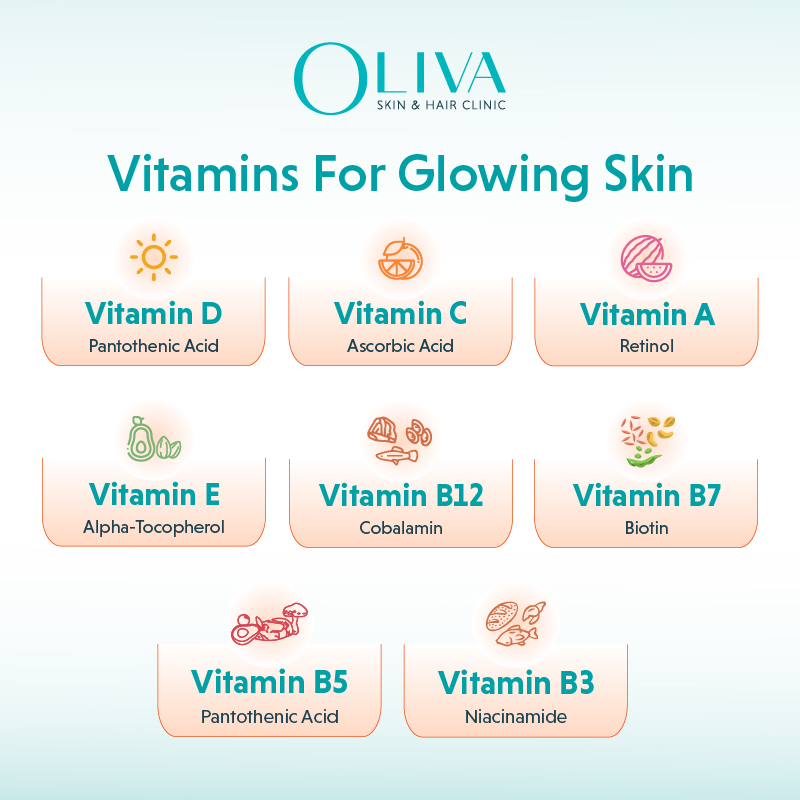
1. Vitamin A – The Anti-Aging Powerhouse
 Vitamin A is often referred to as the “skin vitamin.” It is vital for cell regeneration and helps keep your skin smooth and youthful. Retinoids (a form of Vitamin A) are widely used in skincare products for reducing wrinkles, fine lines, acne and aging.
Benefits of Vitamin A for Skin:
- Speeds up skin cell turnover
- Reduces wrinkles and fine lines
- Helps fade dark spots and pigmentation
- Prevents clogged pores that lead to acne
Food Sources: Carrots, sweet potatoes, spinach, kale, fish oil, and liver.
If you’re using topical Vitamin A products (like retinol), always apply sunscreen, as it makes your skin more sensitive to sunlight.
2. Vitamin C – The Glow Booster
Vitamin C is one of the most important vitamins for glowing, youthful skin. It acts as a powerful antioxidant that protects your skin from damage caused by free radicals. Additionally, Vitamin C helps boost collagen production, which keeps your skin firm and elastic.
Benefits of Vitamin C for Skin:
- Brightens dull skin and evens out skin tone
- Boosts collagen for firmer skin
- Protects against sun damage
- Speeds up healing of acne scars and blemishes
Food Sources: Citrus fruits (oranges, lemons, grapefruit), strawberries, bell peppers, broccoli, and kiwi.
Vitamin C serums are also popular in skincare routines. Applying them daily can help reduce dark spots and give your skin a natural glow.
If you want glowing skin naturally, you must visit this article, The Best Natural Face Masks for Glowing Skin .
3. Vitamin E – The Skin Protector
 Vitamin E is another antioxidant that plays a crucial role in protecting your skin from UV damage and pollution. It also helps your skin stay hydrated and soft by strengthening the skin barrier.
Benefits of Vitamin E for Skin:
- Protects skin from free radical damage
- Keeps skin hydrated and nourished
- Reduces inflammation and redness
- Helps in healing scars and wounds
Food Sources: Almonds, sunflower seeds, hazelnuts, spinach, and avocado.
Vitamin E is often combined with Vitamin C in skincare products because together they enhance each other’s protective effects.
4. Vitamin D – The Sunshine Vitamin
Vitamin D is often overlooked in skincare, but it is essential for skin repair and rejuvenation. It plays a role in skin cell growth and repair while also supporting your immune system. Low Vitamin D levels are often linked with skin problems like acne, eczema, and psoriasis.
Benefits of Vitamin D for Skin:
- Helps skin cell repair and growth
- Reduces inflammation
- Supports skin’s natural barrier
- May improve conditions like eczema and acne
Sources: Sunlight exposure is the best way to get Vitamin D. You can also find it in fatty fish (salmon, tuna, mackerel), egg yolks, and fortified dairy products.
For people with limited sun exposure, Vitamin D supplements may be necessary to maintain healthy levels.
5. Vitamin K – The Healing Vitamin
 Vitamin K is lesser known but extremely important for skin healing. It helps with blood clotting, which means it plays a big role in healing wounds, bruises, and scars. It is also known to reduce dark circles and redness.
Benefits of Vitamin K for Skin:
- Speeds up wound healing
- Reduces dark under-eye circles
- Minimizes appearance of scars and stretch marks
- Helps with redness and swelling
Food Sources: Kale, spinach, cabbage, broccoli, and green beans.
Topical creams with Vitamin K are often recommended after surgery or cosmetic procedures to speed up skin recovery.
6. B Vitamins – The Skin Nourishers
The group of B vitamins (like B3, B5, and B7) are essential for overall skin health. They improve hydration, reduce breakouts, and keep your skin barrier strong.
Key B Vitamins for Skin:
- Vitamin B3 (Niacinamide): Improves skin tone, reduces fine lines, and controls oil production.
- Vitamin B5 (Pantothenic Acid): Keeps skin moisturized and helps heal acne.
- Vitamin B7 (Biotin): Supports skin, hair, and nail health.
Food Sources: Whole grains, eggs, nuts, seeds, avocados, and meat.
Many skincare products include niacinamide (B3) because of its ability to reduce inflammation, acne, and enlarged pores.
If you are also looking for something like diet and skin health this article is for you ,How Diet Affects Your Skin Health .
How to Add Vitamins to Your Routine

You can improve your skin health by including these vitamins in two main ways:
- Through Your Diet: Eating a variety of fruits, vegetables, whole grains, and lean proteins ensures you’re getting all the essential vitamins naturally.
- Through Supplements: If you have deficiencies or struggle to get certain vitamins from food, supplements can help fill the gap.
- Through Skincare Products: Many serums and creams are enriched with vitamins like A, C, and E that directly target skin concerns.
Remember, consistency is key. Taking care of your skin from the inside out will show results over time.
Final Thoughts
Healthy, glowing skin is not just about using expensive creams or serums; it’s about nourishing your body with the right vitamins. Vitamins A, C, D, E, K, and B-complex all play unique roles in protecting, healing, and rejuvenating your skin. Whether through food, supplements, or topical products, making these nutrients a part of your lifestyle will help you achieve radiant skin naturally.
At venzec-icu, we believe that true beauty comes from within. By giving your skin the right nutrients, you’ll not only improve your complexion but also boost your overall well-being.






Leave a Reply